You do not always have to leave a gap after a tooth is removed. A dental bridge can fill the gap, make chewing easier, and improve the look of your smile. However, the right time to get a bridge depends on how well the area heals and whether the nearby teeth are strong enough to hold it. Dental bridges in Glendale, AZ, may be an option once your mouth is ready for treatment. In some cases, a temporary bridge can cover the gap while the area heals. You may need to wait longer for the permanent bridge until your gums have healed. The location of the missing tooth, how your teeth fit together, and the health of nearby teeth all help your dentist decide what is best. A dental checkup can help you understand when to start treatment and which option may work for you.
Can You Get a Dental Bridge Right After Tooth Extraction?
The answer to “Can you get a dental bridge after tooth extraction?” is yes in many cases, but not everyone is eligible for a permanent bridge immediately. The extraction site needs to be checked, and the teeth beside the gap must be strong enough to support the restoration.
A dentist may recommend a temporary bridge to cover the gap while the area heals. This can help maintain the appearance of your smile until the permanent bridge is ready.
Before treatment, the dentist will check:
- The health of the gums around the extraction site.
- The strength and condition of the nearby teeth.
- The size and position of the gap.
- Your bite and chewing pressure.
Whether an infection or other dental problems need treatment.
How Soon Can You Get a Bridge After Tooth Extraction?
The answer to “how soon can you get a bridge after tooth extraction” depends on the type of bridge and how your mouth heals. Some treatment plans allow a temporary bridge soon after extraction, while a permanent bridge may be delayed until the gums have healed.
Healing time is different for each person. As the gum heals, its shape may change. This can affect how well a dental bridge fits. Waiting for the area to heal can help your dentist make a bridge that fits better.
A dentist near you in Glendale can check the area and explain how long you may need to wait. The right time depends on your dental health and the treatment you need.
Is a Dental Bridge Possible After Tooth Extraction?
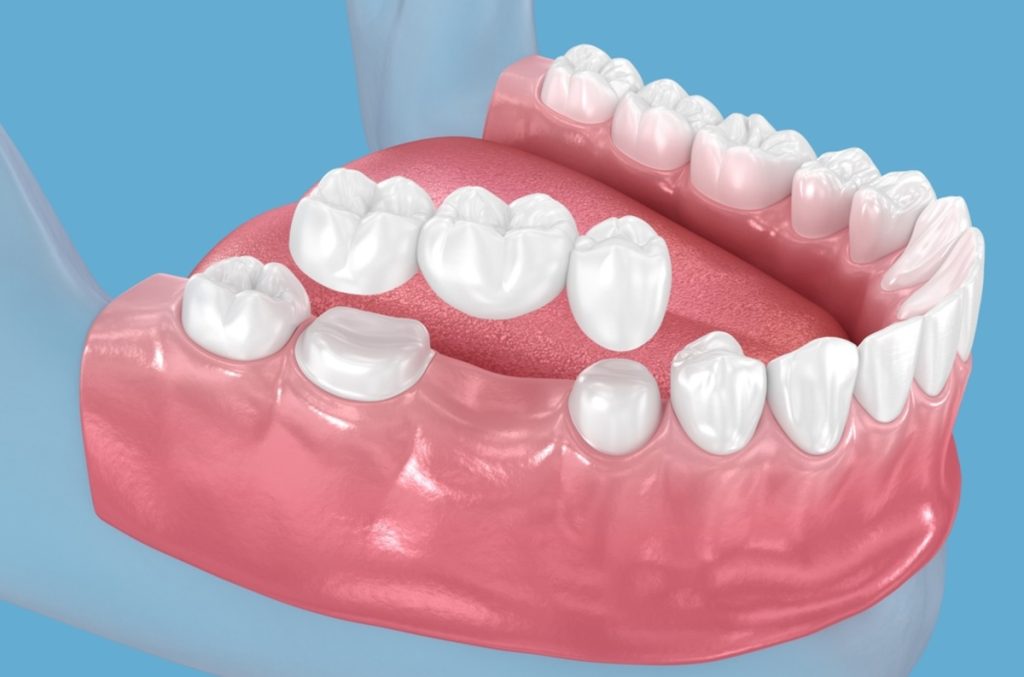
The answer to “is a dental bridge possible after tooth extraction?” is usually yes, if the nearby teeth are suitable to support it. A traditional bridge uses the teeth on either side of the gap as supports. These teeth may need to be shaped so that crowns can hold the replacement tooth in place.
A bridge may be suitable when:
- The supporting teeth are strong enough.
- The gums are healthy or have been treated.
- The bite can safely support the bridge.
- The gap can be restored with a suitable bridge design.
A dental clinic in Glendale, AZ, can assess whether a traditional bridge is appropriate or whether another option may better suit your needs.
What Types of Dental Bridges Are Available?
The best bridge depends on the location of the missing tooth and the condition of the surrounding teeth.
- Traditional bridge: Uses crowns on supporting teeth on both sides of the gap. It is a common option when both neighbouring teeth can provide support.
- Cantilever bridge: Attaches to a supporting tooth on one side only. It is suitable only in certain situations because the pressure on the supporting tooth must be taken into account.
- Maryland bridge: Uses small wings attached to the back of nearby teeth. It may be considered for some front teeth and often requires less shaping of the supporting teeth.
Dental bridges in Glendale, AZ may be available in different materials and designs. The right choice depends on the location of the gap, bite pressure, appearance, and long-term needs.
How Can You Care for the Area Before Getting a Bridge?
Good care after tooth removal helps the area heal and keeps nearby teeth healthy.
- Follow the care instructions your dentist gives you.
- Brush gently near the area as advised.
- Avoid chewing hard foods on that side if it hurts.
- Keep the nearby teeth clean.
- Go to follow-up visits as advised by your dentist.
Do not try to fit a replacement tooth or adjust a temporary bridge yourself. If you have more pain, swelling, a fever, or a bad taste in your mouth, contact your dentist as soon as possible.
A dental clinic in Glendale, AZ, can assess how well the area is healing and let you know when you can proceed with bridge treatment.
Find the Right Way to Restore Your Smile!
Filling the gap left by an extracted tooth can help you chew more comfortably and maintain the appearance of your smile. At Dar Dental Care, you can review your tooth replacement choices, learn how healing may affect treatment timing, and discuss a plan that fits your dental needs. Get clear guidance on what to expect before moving forward with a dental bridge or another suitable option. Book your appointment today to discuss your concerns and take the next step toward a complete, comfortable smile.
FAQs
Can a dental bridge be placed if the nearby teeth have fillings?
Possibly. The dentist will check the size of the fillings, the strength of the teeth, and whether they can safely support the bridge.
Is getting a bridge after extraction painful?
The fitting process may involve local anaesthesia, especially if the supporting teeth need preparation. Some temporary sensitivity can occur afterward, but persistent pain should be checked.
Can you get a bridge after a back tooth is removed?
Sometimes, yes. It depends on where the missing tooth is and whether the nearby teeth are strong enough to support a bridge. Back teeth do a lot of work when you chew, so your dentist needs to plan the treatment carefully.
Is a bridge the only way to replace a removed tooth?
No. You may also be able to get a dental implant or a removable partial denture. The best choice depends on your dental health and preferences. Each option has its own benefits, limits, and treatment time.