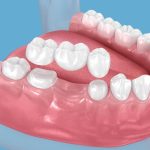

Tooth pain can stop you from eating, sleeping, or even talking comfortably. One standard treatment that saves a painful tooth is root canal therapy in Glendale, AZ. Many people feel nervous when they hear the words “root canal,” but the procedure is safe, effective, and designed to relieve pain—not cause it.
This blog explains what root canal therapy is, why you may need it, and what to expect during the process.
What is Root Canal Therapy ?
Root canal therapy is a dental treatment that removes infected or damaged tissue from inside a tooth. Inside every tooth is a soft area called the pulp. The pulp contains nerves and blood vessels that help the tooth grow.
When the pulp becomes infected because of:
- Deep cavities
- Cracks or chips
- Repeated dental procedures
- Injury to the tooth
It can cause severe pain and swelling. If not treated, the infection can spread and lead to tooth loss. Root canal therapy removes the infected pulp, cleans the inside of the tooth, and seals it to prevent further problems. The goal is simple: save your natural tooth and stop the pain.
How Does a Root Canal Work ?
The process is more straightforward than most people think.
Here is a step-by-step explanation:
- Examination and X-rays: The dentist checks the tooth and takes X-rays to see the infection.
- Numbing the Area: Local anaesthesia is used so you do not feel pain during the procedure.
- Creating a Small Opening: A small hole is made on top of the tooth to reach the infected pulp.
- Removing the Infection: The infected pulp is removed from the tooth’s inner canals.
- Cleaning and Shaping: The canals are cleaned and shaped to allow filling.
- Filling and Sealing: The canals are filled with a non-toxic material and sealed to prevent bacteria from re-entering.
- Placing a Crown (if needed): In many cases, a dental crown is placed over the tooth to restore strength and function.
Once completed, the tooth looks and works like a regular tooth.
Why Would You Need a Root Canal ?
You may need this treatment if you experience:
- Severe tooth pain when chewing
- Long-lasting sensitivity to hot or cold
- Swollen or tender gums
- Darkening of the tooth
- A small bump on the gums
These signs mean the inner pulp may be infected. Ignoring these symptoms can lead to a dental abscess or tooth loss. If you notice any of these issues, visiting a dentist near you quickly can prevent bigger problems.
Does a Root Canal Hurt ?
It is one of the most common concerns. The truth is:
- The infection causes pain.
- The root canal removes the infection.
With modern techniques and proper numbing, most patients say the procedure feels similar to getting a filling. After treatment, mild soreness is normal for a few days and can usually be managed with over-the-counter pain relief.
How Long Does a Root Canal Take ?
The answer depends on the tooth and the level of infection. In general:
| Type of Tooth | Estimated Time |
| Front tooth | 60–90 minutes |
| Premolar | 60–90 minutes |
| Molar | 90 minutes or more |
Some treatments are completed in one visit. Others may require two appointments, especially if the infection is severe.
Your dentist will explain your specific treatment plan after examining your tooth.
What Happens After the Procedure ?
After root canal therapy:
- You may feel mild tenderness for a few days.
- Avoid chewing on the treated tooth until it is fully restored.
- Maintain good oral hygiene by brushing and flossing daily.
- Attend follow-up visits if a crown is needed.
Most treated teeth can last many years, even a lifetime, with proper care.
What are the Benefits of Root Canal Therapy ?
Saving your natural tooth has many advantages:
- Keeps your natural bite and smile
- Prevents nearby teeth from shifting
- Stops the spread of infection
- Restores normal chewing ability
- Avoids the need for tooth extraction
Removing a tooth may seem more straightforward, but keeping your natural tooth is usually the healthier long-term option.
Is a Crown Always Needed ?
In many cases, yes. After a root canal, the tooth can become weaker because the pulp has been removed.
A crown:
- Protects the tooth from breaking
- Restores shape and size
- Improves strength
Front teeth sometimes do not need crowns if enough structure remains. Molars almost always benefit from added protection.
How Can You Prevent the Need for a Root Canal ?
While not all cases are preventable, you can lower your risk by:
- Brushing twice a day
- Flossing daily
- Limiting sugary foods and drinks
- Wearing a mouthguard during sports
- Visiting your dentist regularly for check-ups
Early treatment of cavities can stop infection before it reaches the pulp.
Protect Your Smile with Dar Dental Care
Tooth pain should not be ignored. Root canal therapy removes infection and helps save your natural tooth. Early treatment can prevent serious problems and relieve discomfort.
If you have tooth pain or signs of infection, our team at Dar Dental Care is here to help. Schedule your visit today and protect your smile.